Thermal remediation operates by elevating the ambient indoor temperature between 122°F and 135°F using industrial forced-air convective heaters, maintaining lethal exposure for at least 90 continuous minutes. This…
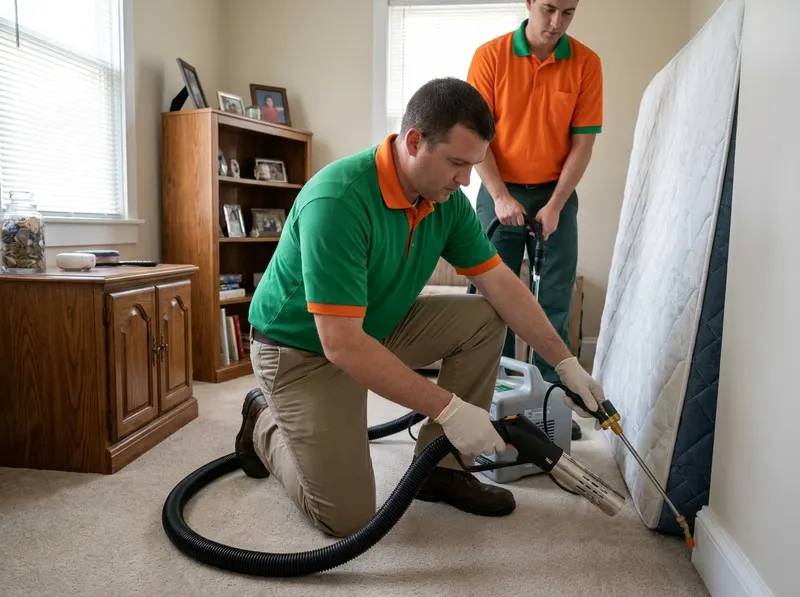
Thermal remediation operates by elevating the ambient indoor temperature between 122°F and 135°F using industrial forced-air convective heaters, maintaining lethal exposure for at least 90 continuous minutes. This physical threshold denatures vital proteins within bed bugs and dehydrates eggs hidden deep inside mattress seams, wall voids, and floorboards where surface sprays fail to reach. To prevent insect migration into neighboring rooms or unheated exterior walls, technician teams concurrently place targeted non-repellent contact applications along baseboards, conduit exits, and carpet tacks. This integrated pairing stops the dispersal reflex common with retail pyrethroid foggers, which frequently scatter colonies into adjacent living spaces.
Older riverfront architecture in the East End and West Side features balloon framing and porous lath-and-plaster walls that require methodical heat monitoring to ensure interior structural cavities hit target mortality temperatures without damaging structural finishes. In hillside homes throughout South Hills, Fort Hill, and Loudon Heights, elevated humidity levels near wooded bluffs can buffer insect survival, demanding continuous sensor tracking across remote room zones. Conversely, modern multi-unit apartments in Kanawha City and North Charleston require strict perimeter isolation along shared plumbing stacks and electrical chases to guarantee insects do not cross party walls during active heating.
Structural preparation dictates success: property occupants must remove aerosol cans, wax candles, vinyl blinds, and temperature-sensitive electronics prior to service activation. Unlike general chemical spraying, heat penetration neutralizes pesticide-resistant strains immediately without leaving toxic airborne residues that disrupt indoor air quality. If an infestation is localized to an isolated piece of furniture, standalone direct-contact physical removal may suffice; if activity spans baseboards, headboards, and adjacent flooring, whole-room convective thermal processing provides the necessary volumetric coverage.
Every job gets a firm, written price after a free on-site visit.
Tell us about your bed bug thermal and contact eradication job in Charleston and we'll send a clear, written quote, usually the same day.
 Tavirox Pest Management